Curiosity, Assumptions & The Victorian Mail System
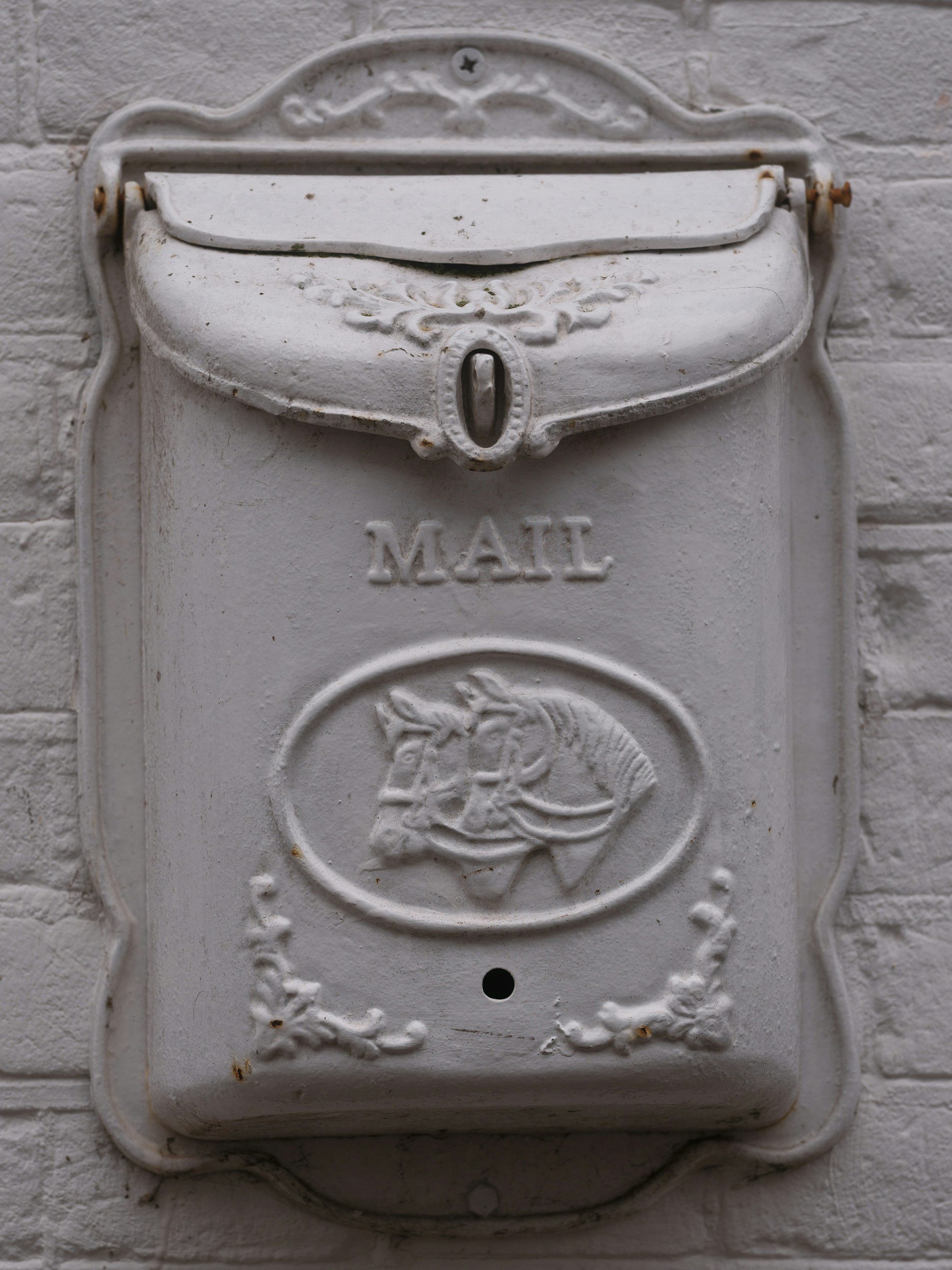
I was today years old when I learned that you could write, send, deliver, and receive a reply to a letter all in the span of a few hours. Andrew has been reading Dracula and was telling me about scenes where characters would write a letter inviting someone to dinner, receive a response, enjoy the meal, and even exchange follow-up correspondence all on the same day. At first, I assumed it was just one of those fictional conveniences that authors use to move the story along but after some research, I learned it was all true.
By the end of the Victorian era, mail delivery in London could happen as many as twelve times per day. The first delivery started around 7:30 a.m., and the last one arrived around 7:30 p.m. Some people expected a letter to arrive within a couple of hours of it being sent. In some ways, their postal service functioned a lot like our text messages do today. The technology was different, but the experience was surprisingly similar.
We spend a lot of time comparing our lives to the lives of people who came before us. We talk about how much slower everything used to be, how disconnected people were, and how difficult communication must have been. Sometimes those assumptions are true. Sometimes they're not. The problem is that we often make those comparisons with very little information and a lot of modern bias.
It's easy to look backward and imagine a world that was dramatically different from our own. But history is often more nuanced than we think. The tools may have changed, yet many of the underlying human experiences remain remarkably familiar. People still wanted connection. They still wanted quick responses. They still felt impatient waiting to hear back from someone.
How often do we confidently believe something simply because it fits the story we've created? We assume we know what work was like before email, what relationships were like before social media, or what previous generations experienced because we've heard a simplified version repeated enough times that it feels true.
Learning about Victorian mail reminded me the importance of pausing long enough to question our assumptions. Sometimes the truth is more complicated than we expected and often it's more interesting; sometimes discovering that a 19th-century letter worked a lot like a modern text message is enough to remind us that people aren't nearly as different from us as we imagine. The stories we tell ourselves about the past, other people, or even our own capabilities can become "facts" if we never stop to examine them. It makes me wonder how many other things I confidently believe that aren't actually true.
This week, I challenge you to notice one assumption you've been carrying around and get curious about it. Ask a few questions. Do a little research. Look for another perspective. You might discover that the story is more nuanced than you thought and you might learn something that changes the way you see the world, just as a Victorian dinner invitation changed the way I see modern communication.