Third Spaces
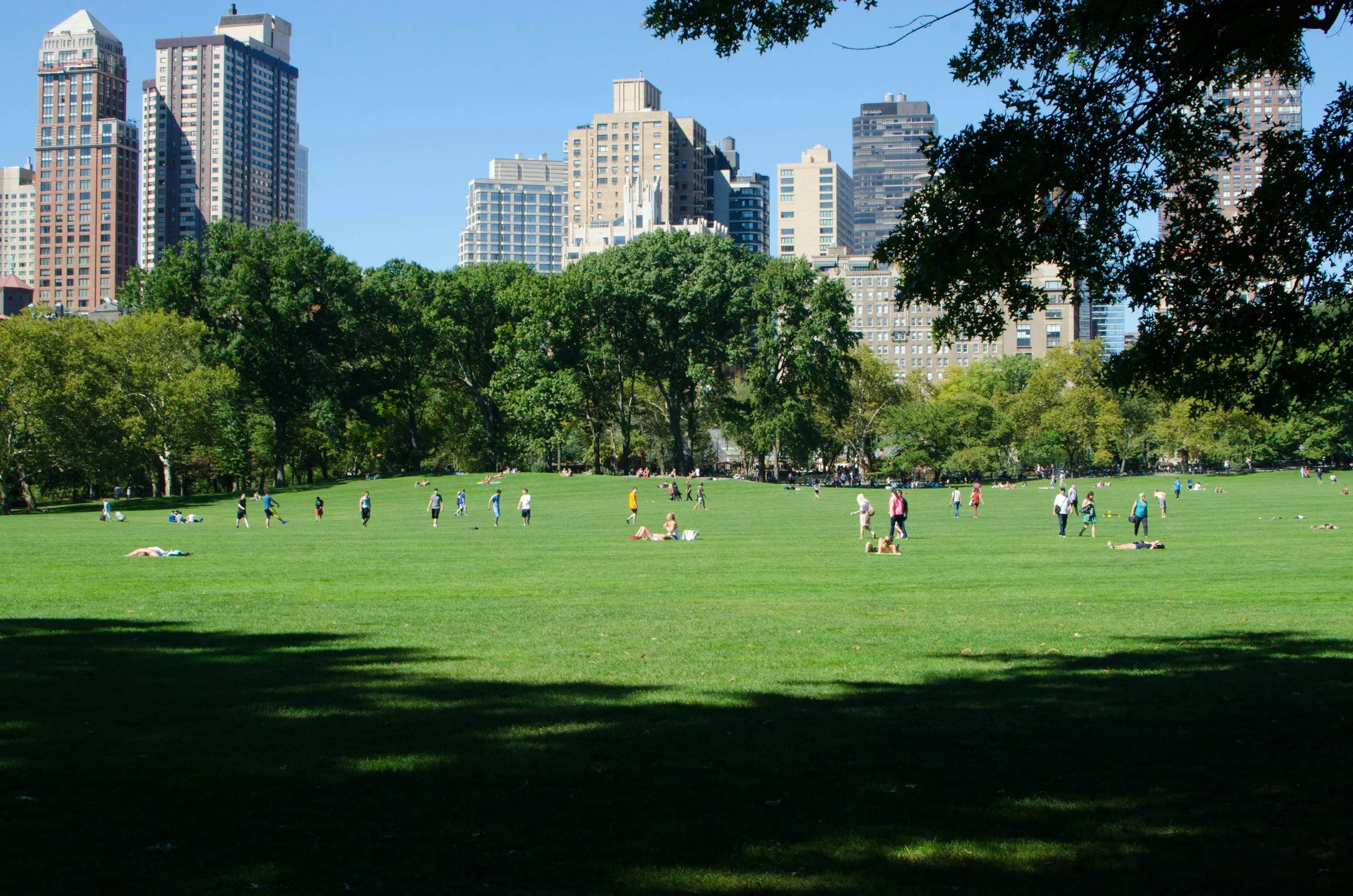
In my hometown, I've spent the past several months watching a new park take shape right across from my favorite coffee shop; what was once a forgotten corner is slowly becoming a place designed for people. Watching that transformation made me think about something I recently came across in a reel about "third spaces." Home is our first space, work is our second, and according to sociologist Ray Oldenburg, a healthy community needs a third space: a place outside of home and work where people can gather, connect, and simply exist alongside one another.
Traditionally, third spaces were libraries, parks, community centers, places of worship, neighborhood diners, and local gathering spots. They were places where relationships formed naturally and where, ideally, you didn't have to open your wallet just to spend time there. Over the past several decades, many of those spaces quietly disappeared. Public budgets shrank. Gathering places closed. Neighborhoods became more car-centric. Even many spaces designed for community gradually shifted toward consumption. Want somewhere to sit? Buy a coffee. Want to stay awhile? Purchase something to eat.
The opportunities to simply gather have become increasingly rare.
The need for third spaces may be even greater today because, for many of us, the first and second spaces have become the same place. We work from kitchen tables, spare bedrooms, and corners of the living room. The commute that once separated our professional and personal lives may now be a walk down the hallway. While that flexibility has its advantages, it also means we're spending more time in fewer places.
As I’ve watched our new little park form, I’ve also been watching NYC Mayor Zohran Mamdani, who has been making a push to make public spaces more accessible and useful for the people who live there. His administration recently launched a program focused on quickly repairing parks, playgrounds, and recreation spaces, including fixing broken drinking fountains and other everyday amenities that make public spaces more welcoming. Earlier this year, they extended lighting hours at dozens of basketball courts, soccer fields, and athletic facilities, creating more than 4,000 additional hours of evening recreation. The hope was that if people have a safe space to gather, they’ll use it; kids will stay active, friendship will form, and communities will strengthen.
And this isn't just happening in New York. Cities around the world are rediscovering the value of third spaces. Streets are being closed to traffic so families can walk, play, and gather. Public plazas are being reimagined as community hubs. Libraries are expanding programming. Parks are being designed not just as green space, but as places for connection. After decades of building communities around cars, convenience, and consumption, we're starting to remember that thriving neighborhoods need places where people can simply spend time together. The research is clear that relationships are one of the strongest predictors of happiness, health, and longevity, but relationships don't appear out of thin air: they need somewhere to happen.
Do you have a third space? Maybe it's a running club. A library. A hiking trail. A volunteer organization. A neighborhood park. Maybe it's somewhere you've never thought of as a third space at all. Whatever it is, it might be doing more for your well-being than you realize because the strongest communities are built not through grand programs or ambitious initiatives, but by creating places where people have room to gather, linger, and belong.