A weeks ago, a very kind woman asked me about my book. When I told her it was about going after big goals she turned to me and said: "Can you be honest with me? I'm 50. Is that too late to start something new?"
I smiled and told her the first thing that came to mind:
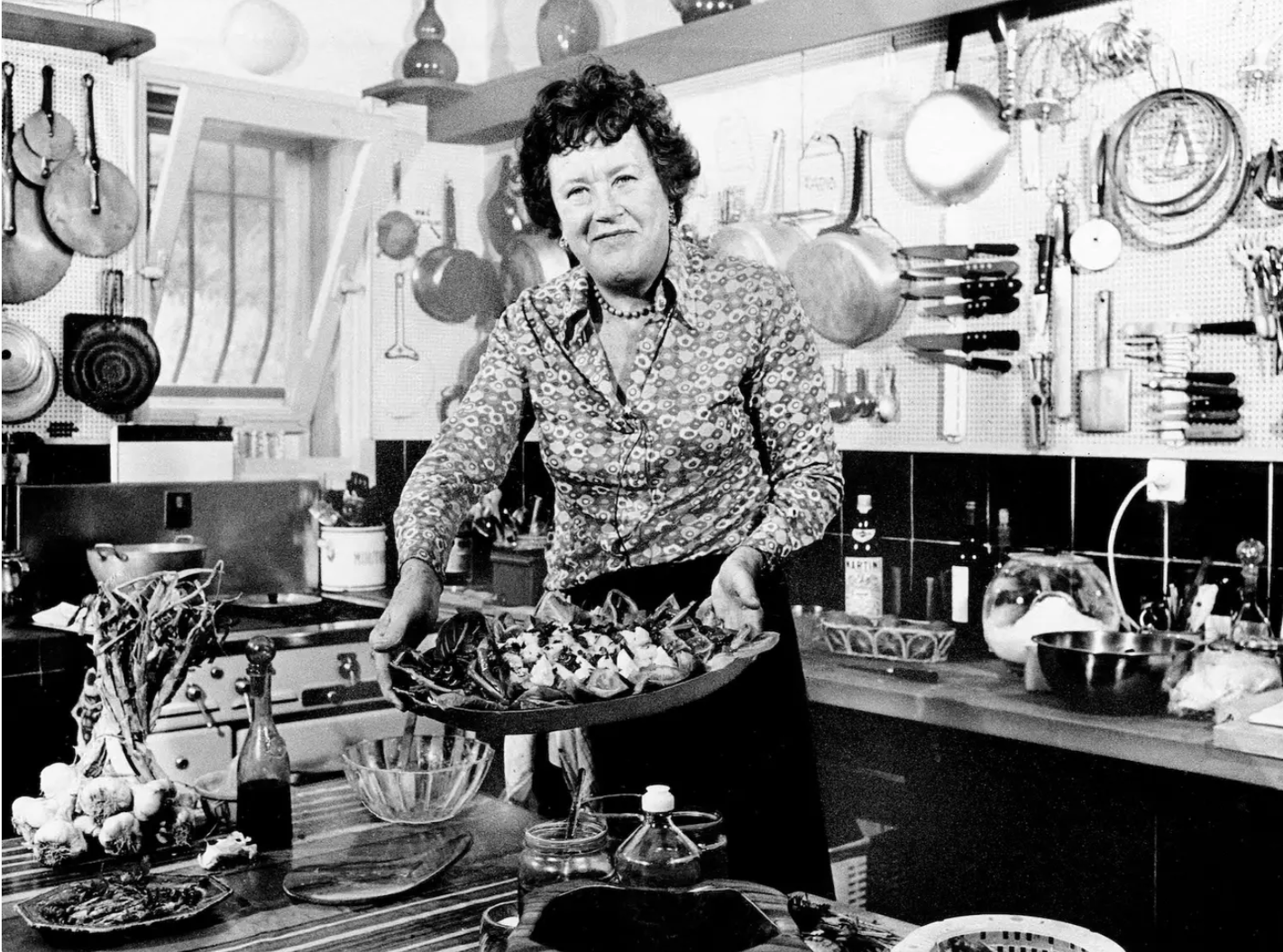
Julia Child was 49 when she published Mastering the Art of French Cooking and didn't start her famous television series until she was 50.
Vera Wang didn't make her shift into wedding dresses until she was 41. She had already had an entirely different career, including years at Vogue and Ralph Lauren, before opening the bridal business that would ultimately make her famous.
Laura Ingells Wilder published the first Little House book at age 65.
Grandma Moses didn't begin painting seriously until 78 and had her first solo show at 80.
Many of the timelines we've been taught about success aren't actually supported by the numbers. We picture entrepreneurs starting companies in dorm rooms, but research using U.S. Census data found that the average founder is about 42 when they start a company. Among founders of the fastest-growing new businesses, the average is 45. Ewing Marion Kauffman Foundation research found that more than a quarter of new entrepreneurs in 2019 were between 55 to 64.
At 50, you can look backward and see decades that have already been lived. Or you can look forward and realize how much time may still be there. You don't have to know whether the thing you start at 50 will become a business, a book, a second career, an art practice, a cause, or simply something that makes your life richer.
Laura Ingalls Wilder couldn't have published Little House in the Big Woods at 40 because she hadn't lived enough of the story yet. Grandma Moses spent decades farming and raising a family before the paintings that made her famous existed. Their earlier years weren't evidence that they were late; they were part of what they eventually had to offer.